


Gantry scraper
Category
零售价
市场价
重量
库存
隐藏域元素占位
- Overview
-
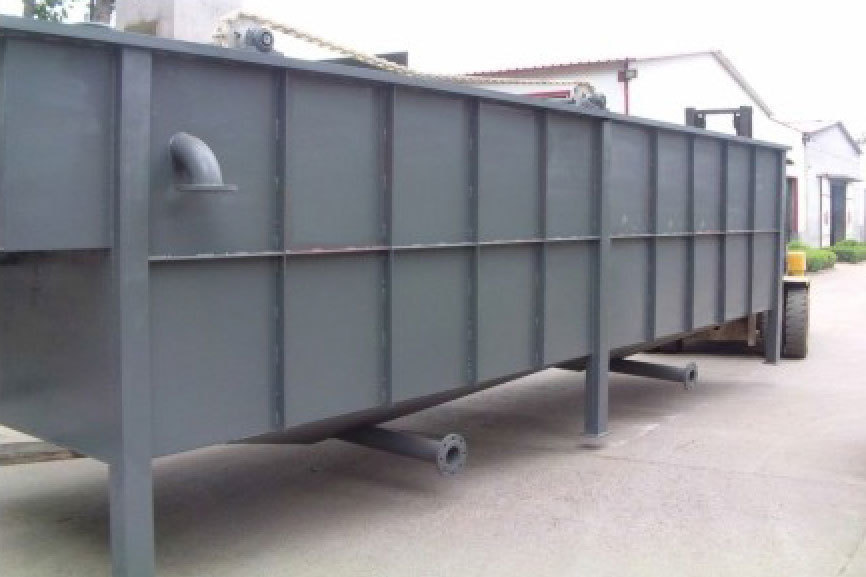
- Commodity name: Gantry scraper
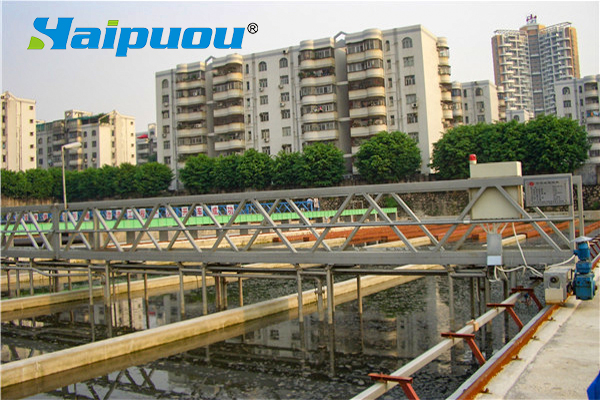
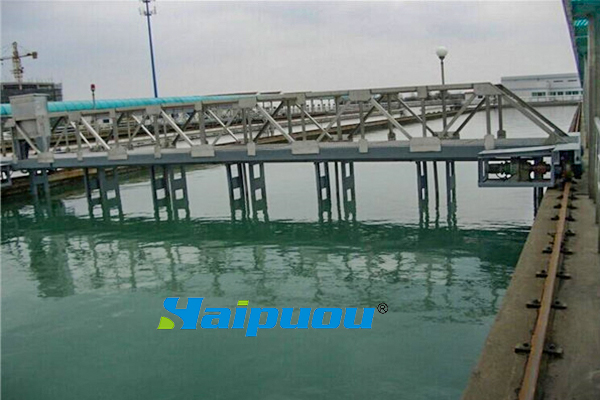
It is used in sedimentation tanks of sewage treatment plants and waterworks to scrape the sludge settled at the bottom of the tank to the pump suction port, and the sludge is removed by pump suction. The traveling bridge sludge suction machine is mainly used for sludge discharge in horizontal flow sedimentation tanks in engineering projects. According to user requirements, there are three sludge suction methods available: siphon type, pump suction type, and combined pump-siphon type. The siphon type uses a submersible pump with a water ejector or a vacuum pump to form a siphon, and sludge is discharged by utilizing the liquid level difference between the sedimentation tank and the sludge discharge trough. The pump suction type directly uses a pump to extract the settled sludge. The machine suctions sludge while moving and discharges the sludge out of the tank, eliminating the trouble of manually cleaning the sludge at the tank bottom.
Traveling Bridge Sludge Suction Machine It is used in sedimentation tanks of sewage treatment plants and waterworks to scrape the sludge settled at the bottom of the tank to the pump suction port, and the sludge is removed by pump suction. The traveling bridge sludge suction machine is mainly used for sludge discharge in horizontal flow sedimentation tanks in engineering projects. According to user requirements, there are three sludge suction methods available: siphon type, pump suction type, and combined pump-siphon type.The siphon type uses a submersible pump with a water ejector or a vacuum pump to form a siphon, and sludge is discharged by utilizing the liquid level difference between the sedimentation tank and the sludge discharge trough. The pump suction type directly uses a pump to extract the settled sludge. The machine suctions sludge while moving and discharges the sludge out of the tank, eliminating the trouble of manually cleaning the sludge at the tank bottom.
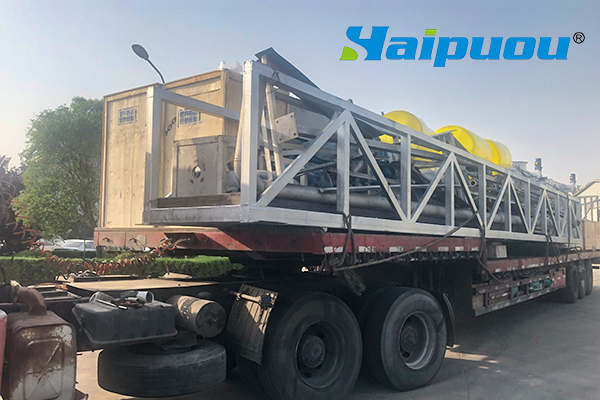
This machine adopts a truss structure, which is significantly lighter in weight compared to traditional structures. It is processed with a hot-dip galvanizing anti-corrosion process, ensuring no rusting within 5 years. Components in contact with water are made of 304 stainless steel, greatly extending the service life. It features low maintenance requirements, small supporting power, and low operating costs; the pump is reasonably selected, ensuring stable and reliable operation. The new-type transmission mechanism avoids walking errors at both ends. The traveling wheels are made of steel, guaranteeing a long service life.
I. Structure and Principle
The traveling bridge sludge suction machine consists of the following components: 1. Working bridge, 2. Driving and traveling device, 3. Sludge suction system, 4. Skimming device (optional), 5. Electric control cabinet, 6. Siphon generator (for siphon type), etc. When used in an inclined-tube sedimentation tank, a bottom sludge suction frame and a sludge suction hanger must also be installed.
This equipment is supported by four points on a traveling girder that spans across the horizontal flow sedimentation tank, with double-sided driving. Steel rails are laid on both sides of the tank. The machine travels from one end of the tank to the other, suctions sludge while moving, and when it touches the travel control, it reverses direction and continues suctioning sludge on the return trip, thus completing a working cycle.
II. Installation
(I) Precautions
To ensure the normal operation of the sludge suction machine, during installation, the four traveling wheels must be positioned on two parallel sides of a rectangle. The rail steel must be laid on the two sides of the rectangle and kept on the same horizontal plane.
(II) Installation Steps
- Pre-embed rail steel embedded parts on the top of the two side walls of the horizontal flow tank, with one embedded part per meter. Install bolts and pressing plates at both ends of each embedded part to firmly fix the rail steel.
- Hoist the equipment onto the horizontal flow tank, place the four traveling wheels on the rails, level the equipment according to the reference line, and verify the installation dimensions.
- Install the sliding cable and electrical components: Pass the hanging cable into the steel wire rope using a lifting ring, tighten the steel wire rope, and fix it to the columns at both ends. Connect the main cable, conduct power-on tests to check the traveling condition, install travel switches and contact blocks, and install anti-derailment baffles according to the return position.
- Test run: After installation, conduct an empty-load operation for at least 8 consecutive hours. Continuously check whether the machine has derailment issues; if any problem is found, stop the machine immediately for handling to prevent the equipment from falling into the tank.
- Install the sludge suction pump: Mount the sludge suction pump on the working bridge.
- Install the sludge suction pipes and sludge discharge pipes: Start from the inlet of the sludge suction pump and install the pipes and sludge suction nozzles from top to bottom. The distance between the sludge suction nozzles and the tank bottom should be 10~20mm. Collect the outlets of multiple sludge suction pumps into a single sludge discharge pipe, which drains into the sludge ditch outside the horizontal flow tank.
- Fill water and test the pump: After confirming no issues in the test run, fill the tank with water. The water level should be 30mm higher than the pump head of the sludge suction pump. Turn on the pump while filling water and observe the water discharge condition at the sludge discharge port.
Keywords:
Messages

Contact: +86 18016210178 (Ms.Liu)
Add:No.56, Donghuan Road, Zhucheng City, Weifang City, Shandong Province