


Electroplating wastewater
Category
零售价
市场价
重量
库存
隐藏域元素占位
- Overview
-
- Commodity name: Electroplating wastewater
The waste gas in electroplating plants mainly comes from acid mist and alkaline gases volatilized during acid-base soaking. This waste gas is highly corrosive and poses significant hazards to the human body. Electroplating plants typically emit gases such as nitric acid, sulfuric acid, and hydrofluoric acid, which are treated using an acid washing tower. The process involves drawing the waste gas into the tower for neutralization treatment, followed by discharge through an exhaust fan to meet the emission standards.
Sources and Treatment of Waste Gas in Electroplating Plants
The waste gas in electroplating plants mainly comes from acid mist and alkaline gases volatilized during acid-base soaking. This waste gas is highly corrosive and poses significant hazards to the human body. Electroplating plants typically emit gases such as nitric acid, sulfuric acid, and hydrofluoric acid, which are treated using an acid washing tower. The process involves drawing the waste gas into the tower for neutralization treatment, followed by discharge through an exhaust fan to meet the emission standards.
Characteristics of Waste Gas Treatment Equipment
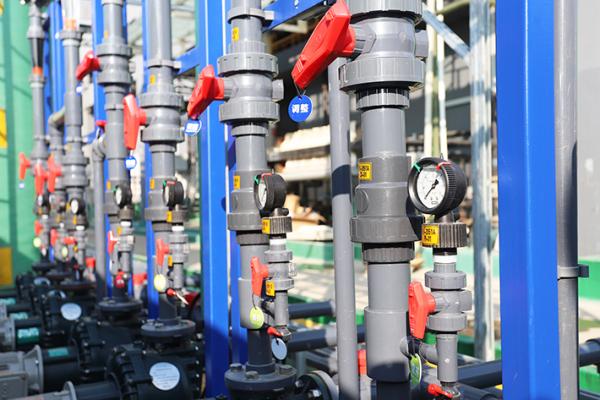
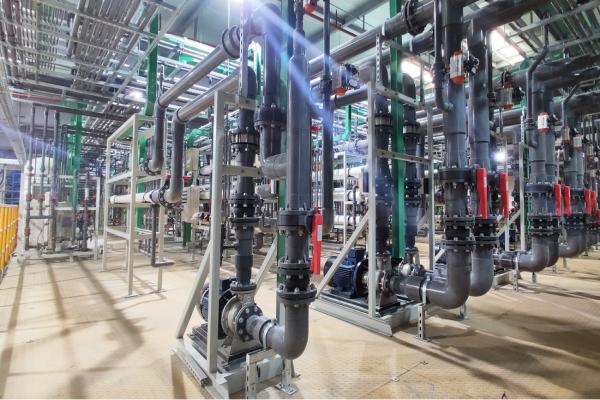
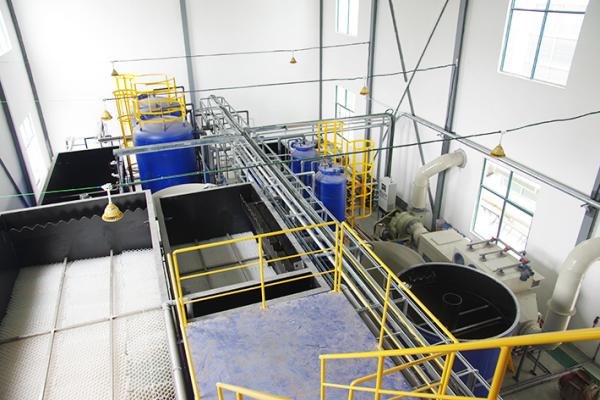
- The waste gas treatment equipment for electroplating plants can be made of steel-plastic composites or fiberglass-reinforced plastic (FRP), featuring advanced technology and low operating costs.
- It adopts a low air resistance design, ensuring high purification efficiency, low energy consumption, strong safety, and a wide range of applications.
- The interior of the tower has no live components, which enhances safety and extends the equipment’s service life.
- With multi-stage purification functionality, it achieves a high interception rate of dust and oil residues. It also has strong comprehensive treatment capabilities for waste gas with complex compositions.
- Additional advantages include a small footprint, convenient maintenance, few auxiliary equipment requirements, and no secondary pollution.
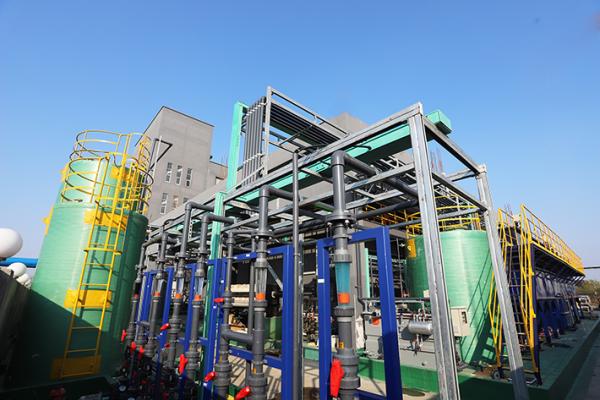
Application Scope of Waste Gas Treatment Equipment for Electroplating Plants
This equipment is suitable for places that generate odors, including:
- Sewage treatment plants
- Petrochemical industry
- Pharmaceutical industry
- Sewage treatment facilities
- Paint factories
- Coating industry
- Leather processing plants
- Photosensitive material production facilities
- Automobile manufacturing plants
- Food processing plants
- Printing and dyeing factories
- Waste treatment plants
Keywords:
Messages

Contact: +86 18016210178 (Ms.Liu)
Add:No.56, Donghuan Road, Zhucheng City, Weifang City, Shandong Province