


Starch wastewater treatment equipment
Category
零售价
市场价
重量
库存
隐藏域元素占位
- Overview
-
- Commodity name: Starch wastewater treatment equipment
A large amount of high-concentration acidic organic wastewater is generated during starch processing. This wastewater mainly contains soluble starch and a small amount of protein, which is generally non-toxic but has an extremely high COD (Chemical Oxygen Demand) — typically ranging from 1000 to 30,000 mg/L — and an SS (Suspended Solids) content of around 1500 mg/L. If this wastewater is directly discharged into environmental water bodies, it will not only cause severe harm to the environment but also result in the waste of water resources. The State Environmental Protection Administration of China (SEPA) pointed out in the 10th Five-Year Plan Outline for National Environmental Science and Technology Development that research on wastewater pollution control technologies for the starch industry should continue to be regarded as a key priority. In response to the characteristics of starch industrial wastewater, efforts are being made to develop a starch wastewater treatment method that is rapid, efficient, and low in energy consumption.
High-Concentration Acidic Organic Wastewater from Starch Processing: Characteristics and Treatment Methods
A large amount of high-concentration acidic organic wastewater is generated during starch processing. This wastewater mainly contains soluble starch and a small amount of protein, which is generally non-toxic but has an extremely high COD (Chemical Oxygen Demand) — typically ranging from 1000 to 30,000 mg/L — and an SS (Suspended Solids) content of around 1500 mg/L. If this wastewater is directly discharged into environmental water bodies, it will not only cause severe harm to the environment but also result in the waste of water resources. The State Environmental Protection Administration of China (SEPA) pointed out in the 10th Five-Year Plan Outline for National Environmental Science and Technology Development that research on wastewater pollution control technologies for the starch industry should continue to be regarded as a key priority. In response to the characteristics of starch industrial wastewater, efforts are being made to develop a starch wastewater treatment method that is rapid, efficient, and low in energy consumption.
Currently, commonly used treatment methods at home and abroad can be generally divided into biochemical methods and chemical flocculation-sedimentation methods. Each of these two methods has its own advantages and disadvantages in practical applications.
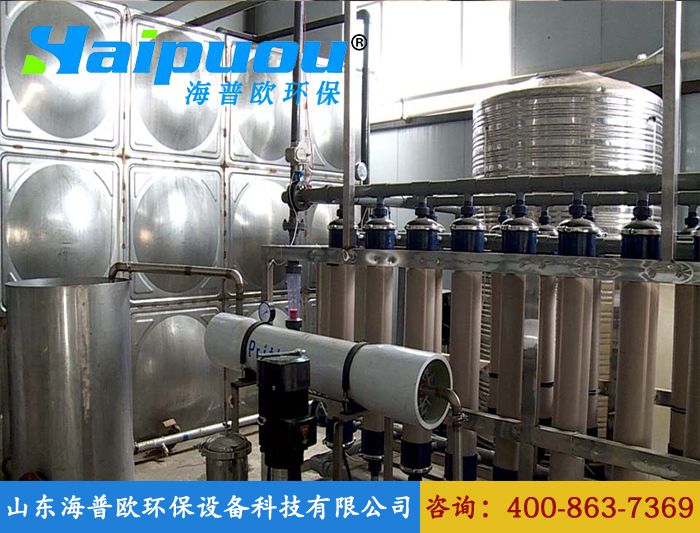
1. Flocculation-Sedimentation Treatment
As a low-cost water treatment method, flocculation-sedimentation is widely used. The effectiveness of this method largely depends on the performance of flocculants, making flocculants the core of flocculation-based water treatment technology. Flocculants can be classified into four categories: inorganic flocculants, synthetic organic polymer flocculants, natural polymer flocculants, and composite flocculants. The goal of flocculant developers is to create products that are efficient, low-cost, and environmentally friendly.
2. Biological Treatment
Biological treatment utilizes the metabolic functions of microorganisms to degrade and convert organic pollutants (in dissolved or colloidal form) in wastewater into harmless substances, thereby purifying the wastewater. It is generally divided into two types: aerobic biological treatment and anaerobic biological treatment. This method is widely adopted for treating high-concentration organic wastewater due to its advantages of low treatment cost and high efficiency.
2.1 Anaerobic Biological Treatment
When anaerobic treatment is applied to starch wastewater, its final product is combustible gas (mainly methane), which can be recovered and used as energy. The excess sludge produced is small in quantity, easy to dewater and concentrate, and can be used as fertilizer. Additionally, the operation cost of this treatment process is low. Against the backdrop of growing global energy scarcity, this low-energy-consumption, resource-recoverable process has attracted increasing attention from countries around the world.
In recent years, anaerobic fermentation methods for starch wastewater treatment mainly include: Upflow Anaerobic Sludge Blanket (UASB), Anaerobic Fluidized Bed (AFB), Anaerobic Contact Process (ACP), Two-Phase Anaerobic Digestion (TPAD), and Anaerobic Filter (AF).
2.2 Aerobic Biological Treatment
Compared with anaerobic treatment, aerobic biological treatment has several shortcomings in handling starch processing wastewater. For example, it requires aeration (resulting in high power consumption), provides no energy recovery, demands more nutrients for microorganisms, and generates a large amount of sludge. Thus, it is more suitable for treating low-concentration organic wastewater. However, starch wastewater typically has a high COD content, so aerobic biological treatment is rarely used alone in starch wastewater treatment. The main aerobic technologies applied include the contact oxidation method, biological oxidation pond method, and Sequencing Batch Reactor (SBR) method. In starch processing wastewater treatment, aerobic biological treatment is generally used as a subsequent (polishing) treatment step.
3. Combination of Anaerobic-Aerobic Treatment or Flocculation-Sedimentation with Biological Treatment
Due to the extremely high organic concentration of starch wastewater, a single treatment method is rarely used. Instead, multiple treatment methods are usually combined to complement each other’s advantages and offset disadvantages, thereby improving overall treatment efficiency.
4. Degradation of Organic Matter by Photosynthetic Bacteria (PSB)
Using photosynthetic bacteria (PSB) to treat starch wastewater not only achieves a high removal rate of organic pollutants but also saves energy, reduces investment costs, and occupies less land. Furthermore, the bacterial sludge is non-toxic to humans and animals and can be used as nutrient-rich protein feed. Therefore, PSB treatment is a highly promising method for treating high-concentration organic wastewater.
Keywords:
Messages

Contact: +86 18016210178 (Ms.Liu)
Add:No.56, Donghuan Road, Zhucheng City, Weifang City, Shandong Province